

SPECIAL REPORT | In the fertile lands of Uganda, where the rhythm of life is often defined by hoof beats of cattle, a dark shadow looms over pastoral communities and their neighbours.
Cattle, once symbols of wealth and prosperity, have become the currency with which Uganda pays for its conflicts – often with bloodshed staining the soil.
Ethnic clashes fueled by disputes over cattle ownership have plagued the nation for decades, leaving scars that run deep within communities and threatening the fragile fabric of society in several parts of the country.
Just last week, Sembabule Resident District Commissioner Jane Frances Kagaayi warned a military colonel, Naboth Mwesigwa, against taking his status for granted after tension boiled among villagers in Sserinya.
The Sserinya dwellers say Mwesigwa's cattle stray into their farms and destroy crops.
Since the turn of the year, Amudat District local government has been preoccupied with the cow dung issue. In February, the authorities passed a resolution expelling all Sabiny from their district over cattle grazing.
The controversial was said to have been in payback for a similar expulsion of the Pokot from Kween.
At least one person had paid with their life in the fight over rangeland.
Historical background
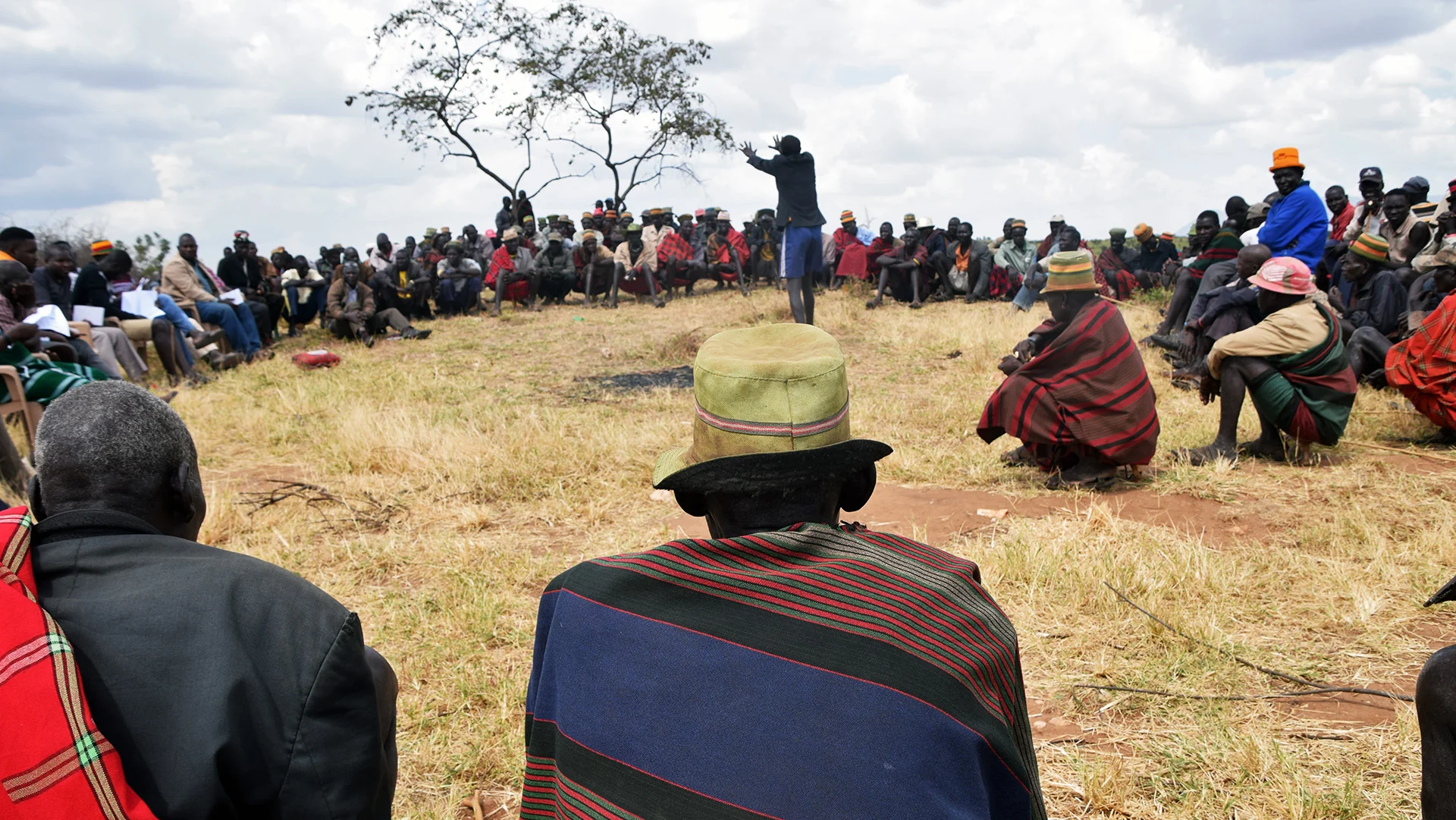
Cattle rustling, the forceful acquisition of cattle from one community by another, has been a persistent challenge, particularly in regions bordering pastoral communities like the Karimojong, Pokot, and Turkana.
Since 1954, these communities have wreaked havoc, plundering animals from their own and neighbouring regions, including Acholi, Lango, Teso, Sebei, and Bugisu.
The conflict surged in the 1970s and 1980s amid political instability, exacerbated by the introduction of firearms, which transformed local disputes into large-scale conflicts with tragic consequences, including widespread displacement and loss of life.
The lush plains of Sebei and Bugisu have been battlegrounds for violent confrontations between the Pokot and Karimojong communities, with clashes dating back to the early 20th century.
The lush vegetation and abundant water sources, coveted by pastoralists for grazing their cattle, have become battlegrounds for violent confrontations.
In Acholi and Lango, cattle rustling has fueled inter-ethnic strife for decades, reaching its peak during the insurgency by the Lord's Resistance Army (LRA).
Similarly, clashes between the Iteso and Karimojong communities in Teso escalated in the 2000s, resulting in significant loss of life and displacement.
Livestock rustling in East Africa
In 2014 and 2016, extensive displacement occurred in Kenya's Laikipia and Samburu districts due to cattle raids, stemming from long-standing cross-border conflicts involving ethnic groups like the Turkana, Pokot, Samburu, Toposa, and Dassennect.
Despite the severity of these conflicts, regional governments have failed to coordinate joint operations effectively, allowing raiders to exploit enforcement gaps.
This lack of cooperation has led to stolen cattle being moved to neighboring countries like Uganda, hindering efforts to restore property and apprehend raiders.
Commercialized raids, facilitated by collaboration between local individuals and indiscipline security personnel, severely hindered security interventions and undermined peace initiatives.
Hope Atuhaire, the Kween resident district commissioner, recalls a case in which cattle raided from Kween were impounded in a market in Kenya in 2023.
The government has responded to the security challenges by ramping up security presence along its borders and collaborating with neighboring governments to curb cross-border raids, according to the UPDF Third Division principal information officer Maj Isaac Oware.
The Usalama Kwawote Operation has led to the recovery of over 1,100 firearms and 8,000 rounds of ammunition, aimed at tackling livestock theft and arms proliferation.
Moreover, joint security initiatives and local peace initiatives have been implemented to address the root causes of conflict.
With the bolstered security presence, the Sabiny community has gained the confidence to negotiate terms for accessing their grasslands.
A recent dialogue saw the Pokot community paying a fine of 50 head of cattle as compensation for lives lost during recent conflicts.
This gesture demonstrates a commitment to resolving grievances and fostering trust between the two communities.
The dialogue offers hope for sustainable peace and prosperity in the region, underscoring the importance of ongoing engagement and support from authorities.
The recent change in the defence forces has instilled optimism in the community, according to Soi County MP Chemaswet Kisos, who has been a victim of the cow dung fights.
“I appreciate President Museveni for bringing Maj Gen Don Nabasa because he is up to the task of ensuring total peace in the area,” said Kisos.
This change signals a promising shift towards improved security and stability, providing reassurance to residents who have long endured the impacts of conflict and insecurity.
Human toll
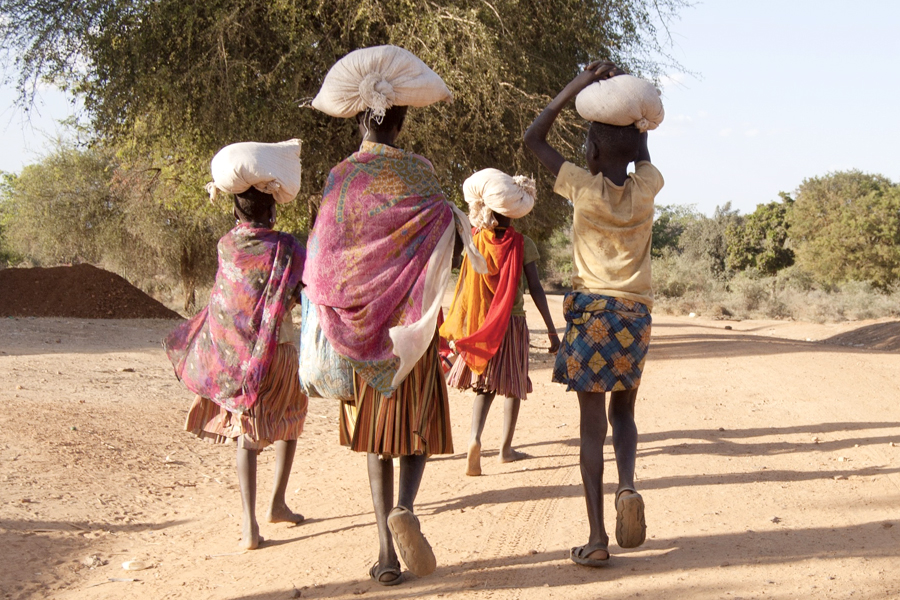
The repercussions of this insecurity are substantial, stalling social progress in regions with vast expanses of fertile land, ideal for commercial farming like Kween and Bulambuli.
Phillis Chemutai, Kapchorwa Woman MP, shares a harrowing experience of losing her unborn child during a Karimojong raid in the 1980s.
Similarly, Kisos recounts fleeing to Kenya with his family to escape intense raids in Kween and Bulambuli districts.
These personal testimonies underscore the human toll of cattle rustling and the urgent need for solutions.
Recent incidents have highlighted the devastating consequences of this trend, with the tragic loss of life and widespread insecurity with Agago District and Sebei bearing the biggest brunt.
At least 100 people were reportedly killed and 109 injured by armed Karimojong cattle rustlers across 11 sub-counties in Agago in the last five years.
Six people were killed in the Sebei sub-region, according to the Sipi regional police commander.
Six people were reportedly killed by cattle rustlers in Bumufuni Subcounty Bulambuli District in 2023.
Similar, incidences were reported in Bukwo. Over 300 cattle rustler are estimated to have died during the disarmament operations.
Earlier media reports indicate that an additional 3000 people within Karamoja have died due to interval raids.
The economic impact of livestock rustling in Uganda and Kenya is significant, with estimates reaching billions of shillings.
The Inter-Governmental Authority on Development (IGAD) reports that the overall economic cost of livestock rustling in Uganda is estimated at Shs394.1 billion, while Kenya faces losses of Kshs155.3 billion.
These costs include expenses related to lost animals, displacement, and restocking programs, highlighting the urgent need for solutions to mitigate the devastating consequences on communities and economies.
Acholi and Balalo conflict
In the heart of Acholi territory, a subtle yet significant conflict brews, fueled by the encroachment of the economically influential Balalo, a nomadic pastoralist community originating from Rwanda, Tanzania, and Ankole.
Their migration to the Acholi sub-region commenced in 2017, with a notable surge observed in 2021.
Unlike the aggressive Karimojong warriors, the Balalo are not associated with violence, but their clandestine land acquisitions signal aggression, highlighting the power disparity between the communities.
Legislator Gilbert Olanya of Kilak South voiced concerns over the Balalo's unauthorized land acquisitions, citing their armed and disrespectful demeanour towards locals.
“Balalos are processing titles on the land hired not bought without the knowledge of the land owners,” Olanya said.
Proposed interventions
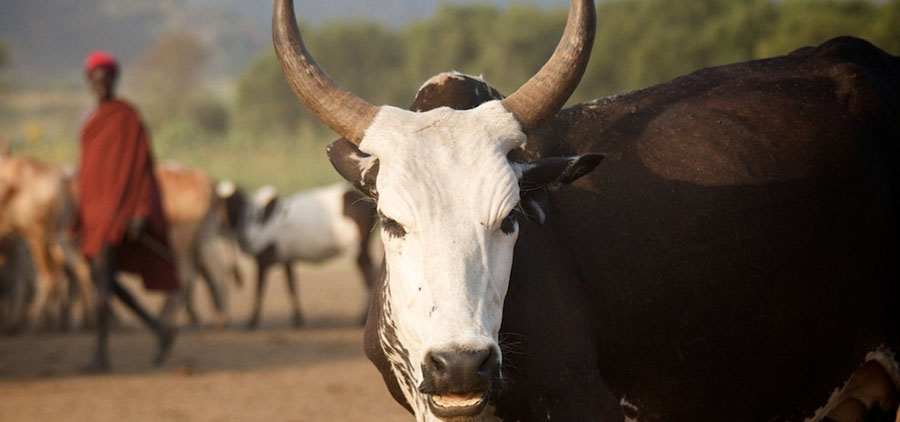
Michael Kuskus, an elder and former legislator from Karamoja, highlighted the significant need to implement the pastoralist policy for Africa of 2012, to provide a framework for effective governance and management of pastoralist resources.
This policy aims to enhance the livelihoods and resilience of pastoralist communities by implementing disease surveillance and control measures, designating and protecting grazing areas, and addressing security concerns.
Kuskus was among those who participated in its formulation in Ethiopia.
Mark Abuku, general secretary of the Karamoja Regional Development Initiative, proposed four pillars to transform the region: Strengthening governance, peace and security; sustainable management of natural resources; human capital development; and promoting local economic development.
This initiative, supported by nine district local governments in Karamoja, aims to address key challenges facing the area.
Additionally, Gen Nabasa, the 3rd division commander, highlighted the importance of investing in education and raising literacy levels to change the attitudes of the younger generation towards pastoralism and cattle rustling traditions.
Strengthening local peace initiatives, such as the 2012 Nabilatuk peace committee resolution, which mandated perpetrators to pay back double the number of stolen cows plus one, also plays a crucial role in fostering stability and reconciliation in the region.
As Uganda grapples with the scourge of cattle rustling, it must prioritize collaborative solutions that address the socio-economic and political dimensions of the problem.
Regional cooperation, targeted policies, and sustained efforts are essential to overcome this challenge and pave the way for a more peaceful and prosperous future.
